
A heavy momento
During our time in Japan we have seen stone lantern (tōrō) in so many places — Japanese gardens, leading up to shrine and temples, and even in people’s yards. They have truly come to symbolize Japan for us, but I was curious to know more about the different types, so I did a little research:


Stone lanterns became popular in Japan in the 1500s, but originated in China over 1,000 years before that. In Japanese, tōrō means 'light tower' and in function, they essentially served as street lights, but they carry a lot of symbolism as well. The dai-dōrō (pedestal lanterns) —the ones usually found at temples— include features that represent the five elements of Buddhism (godai):
地 — earth (chi) — represented by the base that touches the ground
水 — water (sui) — represented by the part that holds up the light box
火 — fire (ka) — the light (and light box)
風 — air/wind (fū) — represented by the awning over the light box
空 — spirit (kū) — represented by the lotus-shaped top
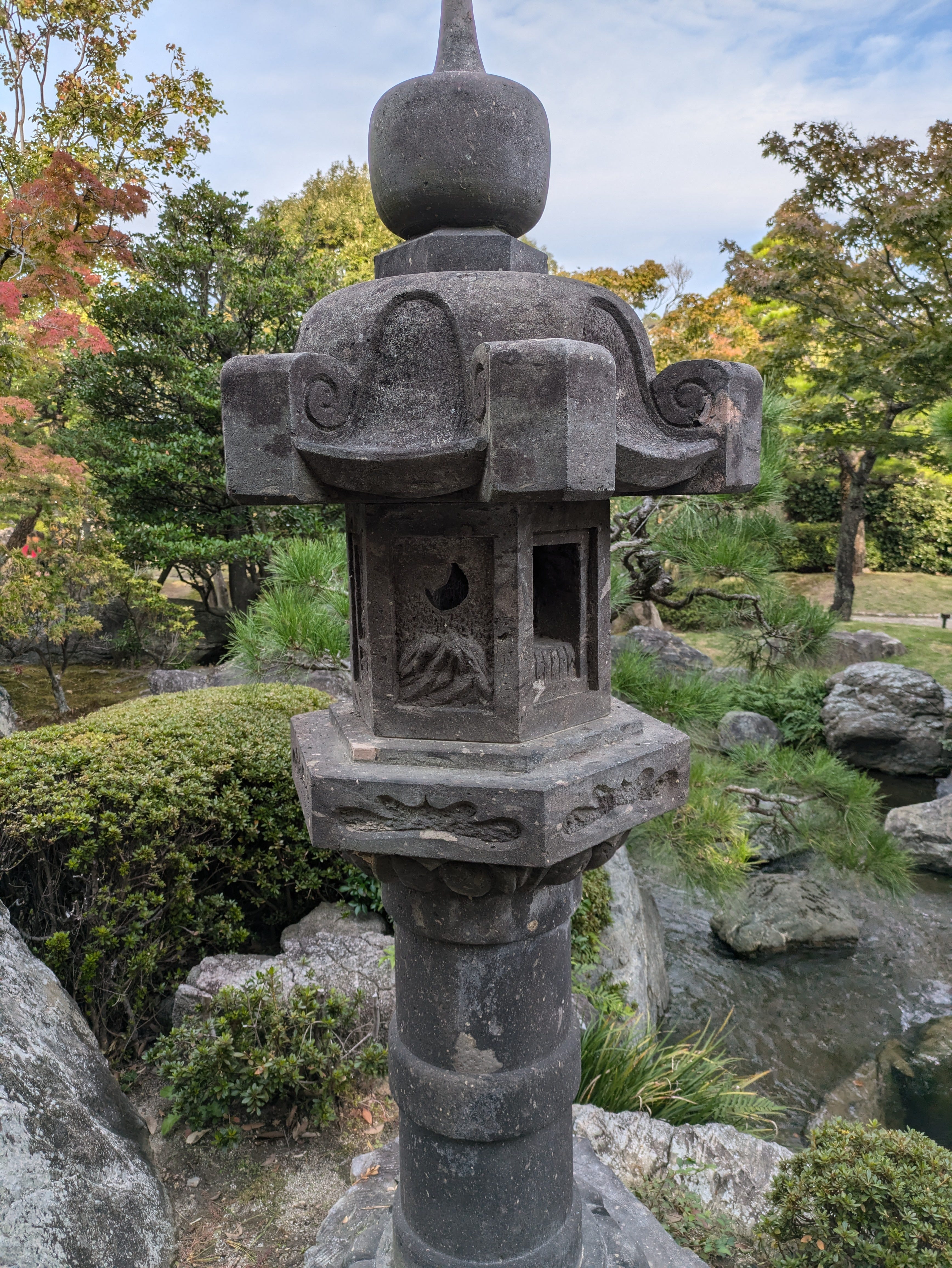
There are also other styles of lanterns that are used exclusively in gardens, the yukimi-dōrō (“snow-viewing lantern”) is a low, broad lantern designed to collect snow on top; and the nozura-dōrō (rough stone lantern) is a much more rustic style lantern that blends well with its natural surroundings.


Since lanterns are used to light the way, they are often found along pathways, but they are also placed in symbolic locations. They can frame the entrance to a serene or sacred space, or be positioned near a water feature or other key focal point to enhance its beauty.
I’ve even heard people say that it is ideal to have lanterns with moss growing on them because it reflects the values of wabi sabi (natural, simple, imperfect, impermanent).
Side note: Japanese gardeners tend to embrace moss — all 2,500 varieties of moss that grow here — and view it as a small and beautiful part of nature. Moss tends to grow slowly and patiently, values that are revered in Japanese culture. It also signals longevity, as in the national anthem that roughly translates to “May your reign continue for a thousand generations, until the tiny pebbles grow into massive boulders lush with moss”


We’ve had a few friends actually purchase stone lanterns to take back to the States, which seems crazy… but it would be cool to bring such a symbolic (and hefty) piece of Japan with us!
Stay tuned to see if we find something worth putting on the moving truck… 👀
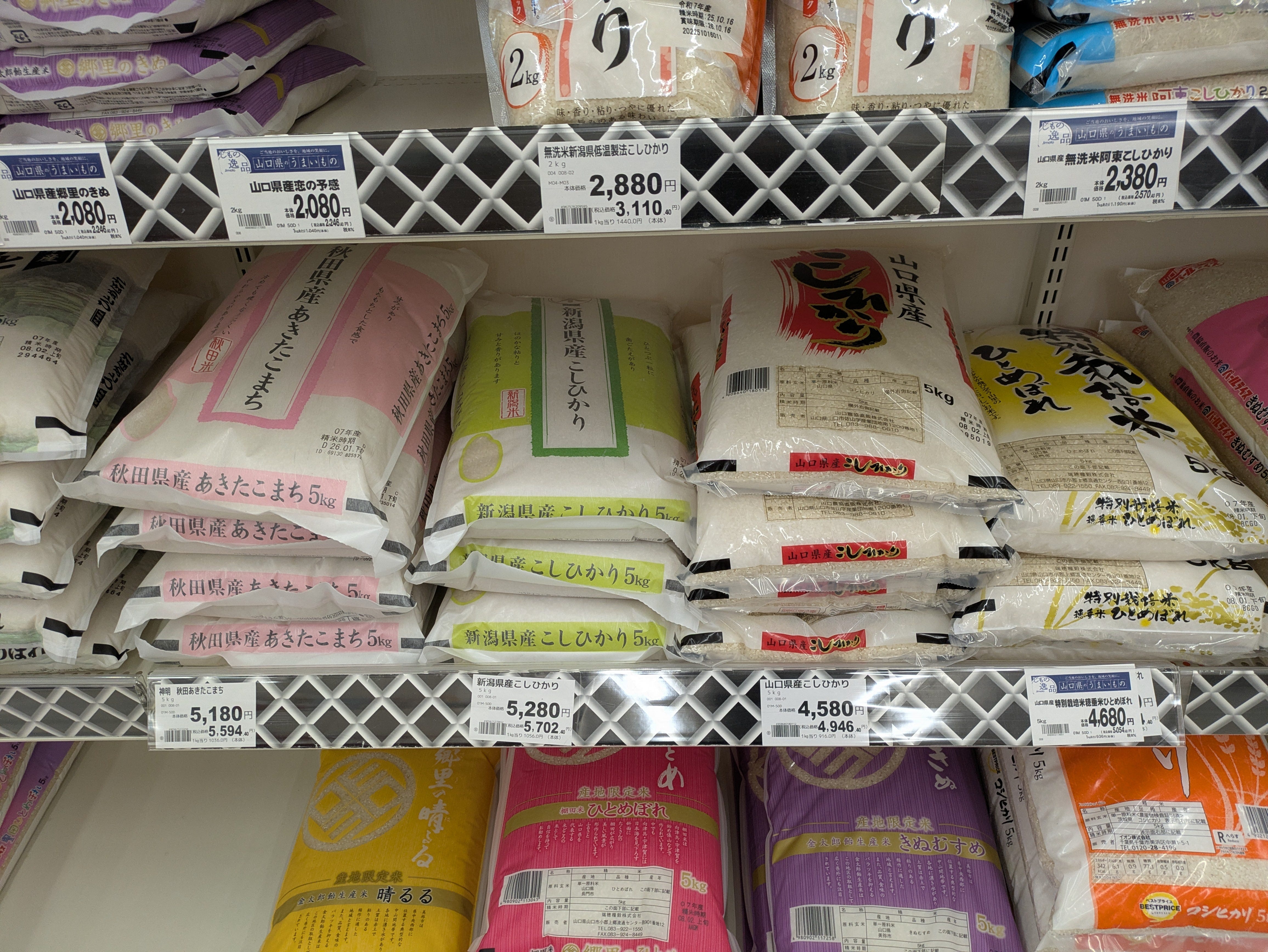
P.S. I did a deep-dive on the different types of rice this week too! Nami-san’s blog has all of the best info, so here’s that if you’re interested in learning more: https://www.justonecookbook.com/types-of-japanese-rice/
I love your descriptions of the various styles. I love your research. I love how you are immersing in the culture surrounding you. Sugoi!
I say, "Go for it!" You will be happy you did. Maybe a Kotoji-toro, shorter one with legs, so it is movable.
I think the prices are still high from extreme shortages last year (due to poor growing conditions). It was declared a national emergency last year and they had to release reserve stock and enforce rationing. This year I haven't heard about the rice production being as low, but prices are still up!